|
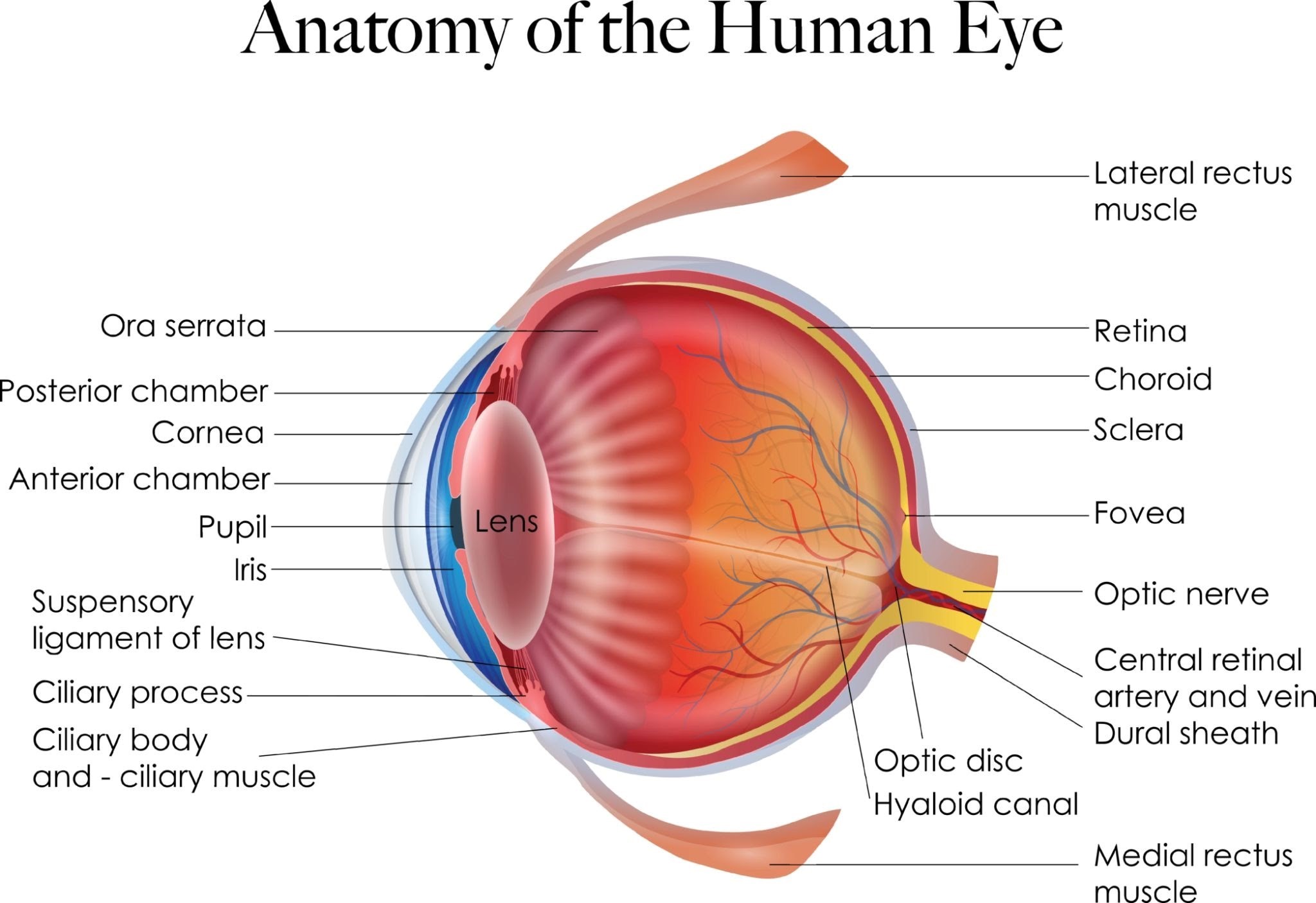
Ophthalmology is a surgical and medical subspecialty dedicated to the anatomy, physiology, and diseases of the eye, optic nerve, and surrounding structures.
Primary Objectives
-
Preservation and Restoration of Vision: Prevent avoidable blindness, correct refractive errors, and restore sight through medical or surgical interventions.
-
Early Detection of Ocular & Systemic Diseases: Identify eye disorders (e.g., glaucoma, macular degeneration) and systemic conditions manifested in the eyes (e.g., diabetic retinopathy, hypertension) before irreversible damage occurs.
-
Management of Ocular Trauma: Treat emergency injuries affecting the eye, orbit, and surrounding facial structures to preserve tissue integrity and sight.
-
Functional & Aesthetic Reconstruction: Correct structural issues of the eyelids, tear ducts, and orbit through oculoplastic procedures.
Key Functions
1. Clinical Diagnosis & Assessment
Ophthalmologists evaluate visual function and anatomical integrity using specialized diagnostic equipment:
- Refraction & Visual Acuity: Measuring sight acuity to prescribe corrective lenses or evaluate surgical candidacy.
- Slit-Lamp Examination: Biomicroscopic evaluation of anterior structures (cornea, iris, lens).
- Tonometry: Measuring intraocular pressure (IOP) to screen for and monitor glaucoma.
- Fundoscopy & Imaging: Examining the posterior segment (retina, macula, optic nerve) using fundus cameras, Optical Coherence Tomography (OCT), and angiography.
2. Medical Management
- Treating ocular infections, inflammations (e.g., uveitis, conjunctivitis), and dry eye syndrome using topical or systemic pharmaceuticals.
- Managing chronic progressive conditions like glaucoma with pressure-lowering eye drops or neuroprotective therapies.
3. Surgical Interventions
Ophthalmology is a heavily surgical specialty incorporating microsurgery and laser technologies:
- Cataract Surgery: Phacoemulsification and implantation of artificial intraocular lenses (IOLs).
- Refractive Surgery: LASIK, PRK, or SMILE to permanently reshape the cornea for vision correction.
- Retinal Procedures: Vitrectomy, retinal detachment repairs, and anti-VEGF intravitreal injections.
- Oculoplastics & Orbital Surgery: Repairing ptosis (drooping eyelids), unblocking tear ducts, or removing orbital tumors.
|